Navigating the ins and outs of healthcare can feel like a chore. From waiting on hold to make appointments to keeping track of screening timelines to filling out the ream of forms that precedes every doctor’s visit—there’s nothing simple about it.
For individuals experiencing chronic homelessness, this difficulty is often insurmountable. Many of these neighbors have gone decades—or their entire lives—without regular primary care. Many of them have mental health conditions that make them distrustful of institutional settings. And when you live in survival mode, your energy goes toward satisfying those daily needs for food, shelter and other basic needs. Keeping up with things like checking your cholesterol or cancer screenings isn’t going to rise to the top of the list.
This is why Micah set out several years ago to establish a health ministry. Health is foundational to human thriving, and to the holistic approach Micah takes to caring for unhoused neighbors and helping them to move toward a more stable living situation.
The problem we had to solve was a big one: How to overcome the multitude of barriers—financial, logistical and emotional—that keep unhoused individuals from accessing healthcare.
Building a Bridge
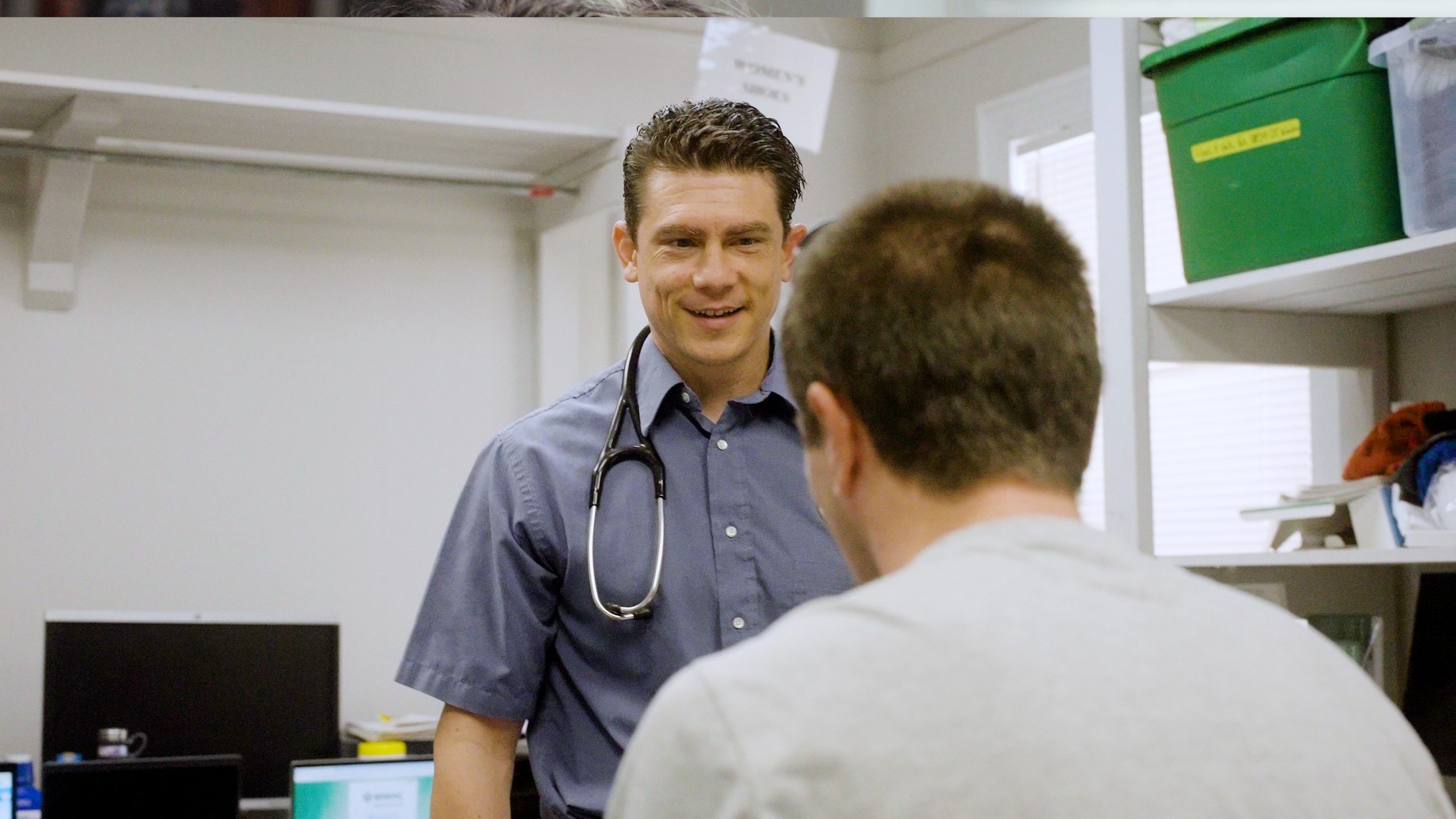
As with most of Micah’s work, the solution came from some important community connections. In 2022, Dr. Theron Stinar, DO, CEO of the Fredericksburg Christian Health Center, was seeking to expand the clinic’s outreach work, and expressed an interest in working with Micah’s neighbors.
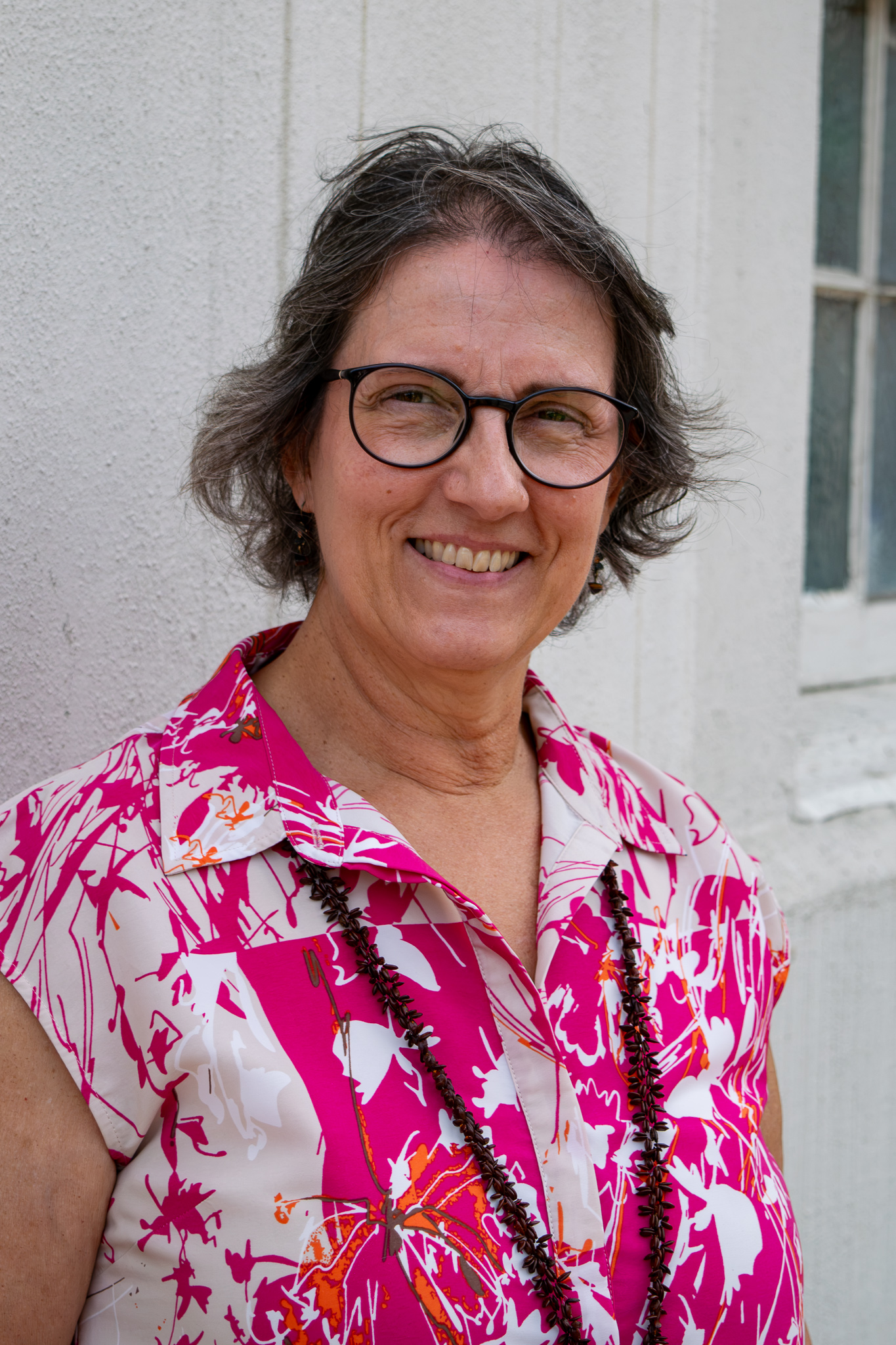
Teresa Bowers, who had recently retired from a career in the home health industry, joined Micah’s team to help stand up what would become the HealthBridge ministry.
“The impetus for the program was to decrease as many of the barriers to healthcare as possible,” Bowers said.
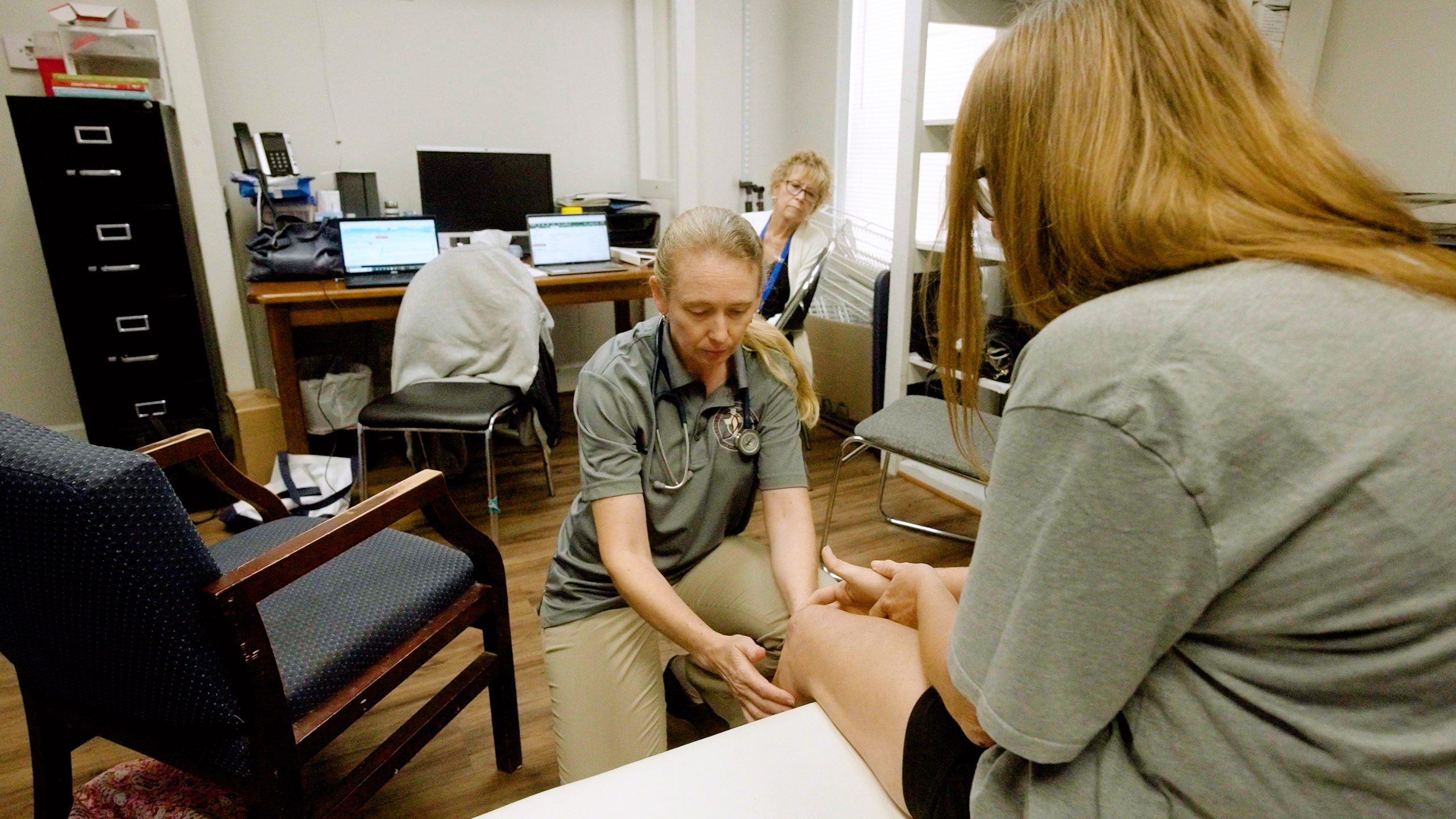
HealthBridge does this by bringing care directly to those who need it. On Thursdays, Micah closes its Neighbor Care Center so that Dr. Stinar—who was soon joined by Dr. Joanna Crawford, who volunteers her services—can see patients on an appointment-only basis. These patients are referred from Micah’s housing ministry, and sometimes from the streets.
In this accessible setting, in a place these individuals have come to trust, patients can address health problems that may be keeping them from moving forward in other areas of their lives, like gaining employment or maintaining a home. They can get help managing conditions like high blood pressure, arthritis and diabetes. They can also get referrals for bloodwork, cancer screenings and other important aspects of preventative care.
The program is funded through a Health Innovations grant from the Virginia Department of Housing and Community Development.
“Many of our patients haven’t had a doctor in some time, or they have never had a doctor, and we know they have health needs, so we see them to establish primary care,” Bowers said.
“The goal is to eventually move them into the community with a primary care provider.”
Another aim of the program is to decrease reliance on the emergency room for issues that are more appropriately dealt with in a primary-care setting.
As Bowers has learned in her work with the program, making this kind of care successful requires a lot more than just making appointments available.
Targeted Support
Beyond the doctor visits, HealthBridge is supported by Micah’s team of health navigators and care coordinators. These are the people who walk with our neighbors to make sure referral appointments are made and kept, labwork is completed on time, doctor’s orders are communicated in plain language and followed.
“If your days are fluid, as they are for many of our folks, then keeping an appointment becomes difficult,” Bowers said. “They need help keeping track of, not only do they need to be somewhere on Thursday at 2 p.m., but they need to leave three hours ahead of time to catch the bus and make the transfers to get to where the appointment is.”
Bowers and her team will also accompany neighbors to appointments to help advocate for them, or point out areas where they may need added support—like a nicotine patch to stop smoking before a needed surgery, or other things these patients may not even know to ask for.
As the program enters its fifth year, Bowers said it’s become an important part of making tangible improvements in the lives of Micah neighbors.
“We’ve seen people go from being very, very ill to being able to participate in work, in their housing, in managing their diet and in finding healthy leisure activities,” she said.
A Holistic Health Ministry
HealthBridge is part of Micah’s overall Health Ministry, which has grown to support neighbors in a variety of ways.
Through a partnership with Mary Washington Healthcare’s Graduate Medical Education program, medical residents come to Micah’s community meals once a month to do health screenings like blood pressure readings and other vital signs.
A volunteer nurse comes to Hesed House, Micah’s hotel-based bridge housing ministry, every Thursday to do health screenings. These screenings can all feed referrals to HealthBridge for followup.
Health education sessions are delivered regularly at Respite House and at other Micah programs on topics like dehydration, hypothermia, CPR, Narcan and more.
“Every opportunity we have to do health education, we try to do that,” Bowers said.
Through other partnerships, Micah is able to provide dental care, support for neighbors who are aging in place, hospice care and more.
Micah’s health ministry will have a physical presence in Jeremiah Community, as part of the community building that will be constructed in the first phase of this permanent supportive housing neighborhood, enabling even easier access to life-improving healthcare resources.
For Bowers, who will retire from her role at Micah at the end of July, the past four years have been rewarding work. She is most proud of how the regularity and reliability of healthcare services has become a trusted resource for many Micah neighbors.
“Before HealthBridge, there was this desperate need. There was no healthcare, or it was piecemeal. Now, our neighbors come to us, they know when they can come get their blood pressure checked, or see a doctor,” she said. “That’s amazing to see someone taking responsibility for their healthcare. And that’s why we do this. We know it improves the quality of life of another person who didn’t have access to this kind of care before.”