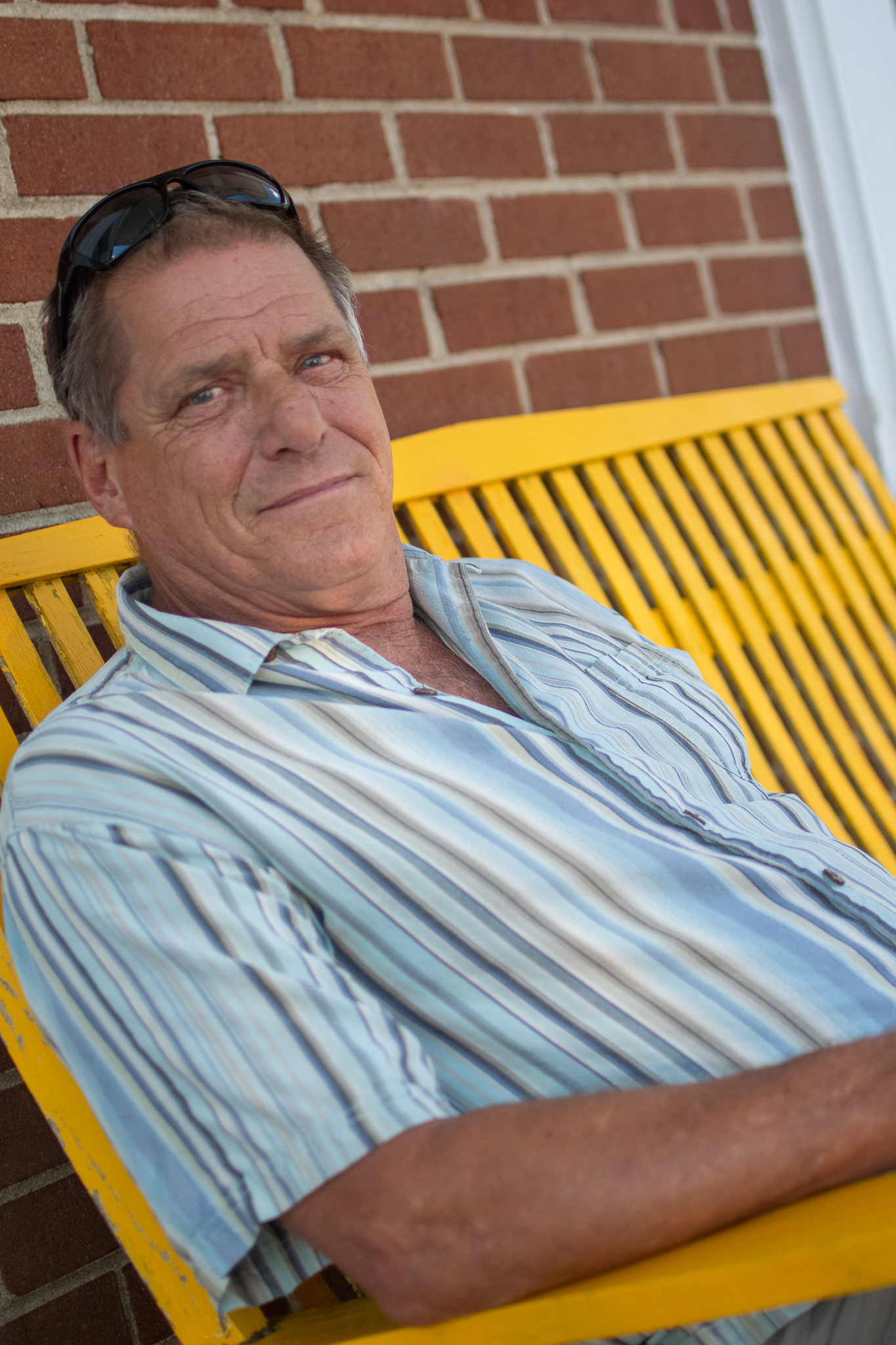
“Is this a joke? I get to live here?”
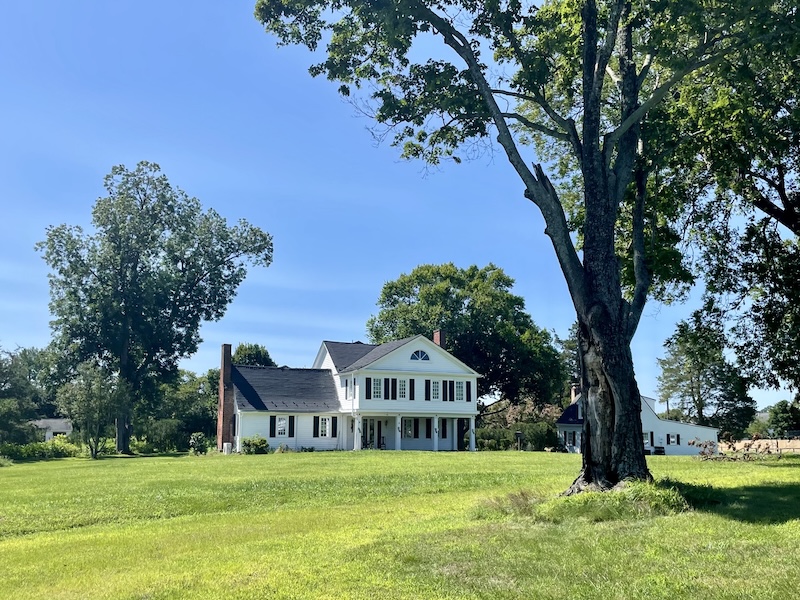
These were the words of disbelief that Tony expressed the first time he saw the historic home at Berclair Plantation. After months of surviving between campsites and the Cold Weather Shelter, it seemed too good to be true.
Tony was one of 12 individuals to be offered the chance to move off the streets and onto this 8-acre Spotsylvania County property, which includes a home that dates to 1773 and was once owned by George Washington’s brother Charles.
The home had sat empty for several years when it came to the attention of Micah Executive Servant-Leader Meghann Cotter in fall 2025.
Cotter saw that with a few alterations, Berclair could provide something that is critical to Micah’s work to reduce street homelessness in the Fredericksburg region: Housing units where individuals can begin to regain the habits of paying a rent they can afford, having a roof over their head, and tending to their needs for income, health and community.
Housing First
This approach to eliminating homelessness is known as Housing First. It’s rooted in the philosophy that basic human needs such as food, safety and shelter must be met before individuals can begin to work on things like building income, getting mental treatment or addressing substance use disorders.
Micah uses this model to place neighbors into apartments around the Fredericksburg region. This work has led to a 56% decrease in chronic homelessness over the past 10 years. This trend has staying power, as 88% of these individuals do not return to the street or a shelter within two years of housing placement.
Peg Phillips, Micah’s Servant-Leader of Neighbor Care, oversees much of the case work that happens at Berclair and other properties where Micah neighbors are housed. She said the most important benefit this housing provides is the sense of safety that can free a person from the stress of constantly worrying about their surroundings.
Phillips said it can take six to nine months for an individual to adjust to the transition from the street to housing, but that adjustment is transformative.
“Simple housing can be the springboard that helps a person to flourish,” she said.
Housing that is affordable and available for this purpose is getting harder and harder to come by in Fredericksburg’s ever-more-expensive real estate market. That is a big motivator behind Micah’s pursuit of the Jeremiah Community. Jeremiah will bring 50 small homes with wrap-around supportive services to Fredericksburg’s Bragg Hill neighborhood.
These homes will provide a single-site permanent housing option for Fredericksburg’s most vulnerable neighbors, where case workers and other service providers can provide on-site assistance to help them adjust to life off the streets and in community.
At Berclair, nestled amid a peaceful Spotsylvania County neighborhood, Cotter sees an example of how this approach to eliminating homelessness can work.
“It’s become this wonderful opportunity for us to practice on a small scale what it means to be Jeremiah Community,” she said.
For Tony, it promised to be a new chapter in what had been a rough few years.
Survival mode
In his early 60s, Tony went from having a stable home, two trucks and a boat to sleeping on the ground in a tent at night, after a relationship went bad and he felt compelled to move out and leave everything behind.
He had a valid commercial driver’s license, but the day-to-day stress of having to constantly look for the next meal, the next place to shower, the next place to pitch his tent wasn’t compatible with pursuing regular paid work.
“It’s hard to get a job when you’re laying in the dirt,” he said.
Tony depended upon the meals, showers, rides and other services provided by the staff and volunteers of Micah Ecumenical Ministries during the six months he spent living on the streets.
These services not only provided for his basic needs, they also helped the case workers at Micah get to know Tony, and identify him as someone who could make progress quickly if moved off the street and into housing.
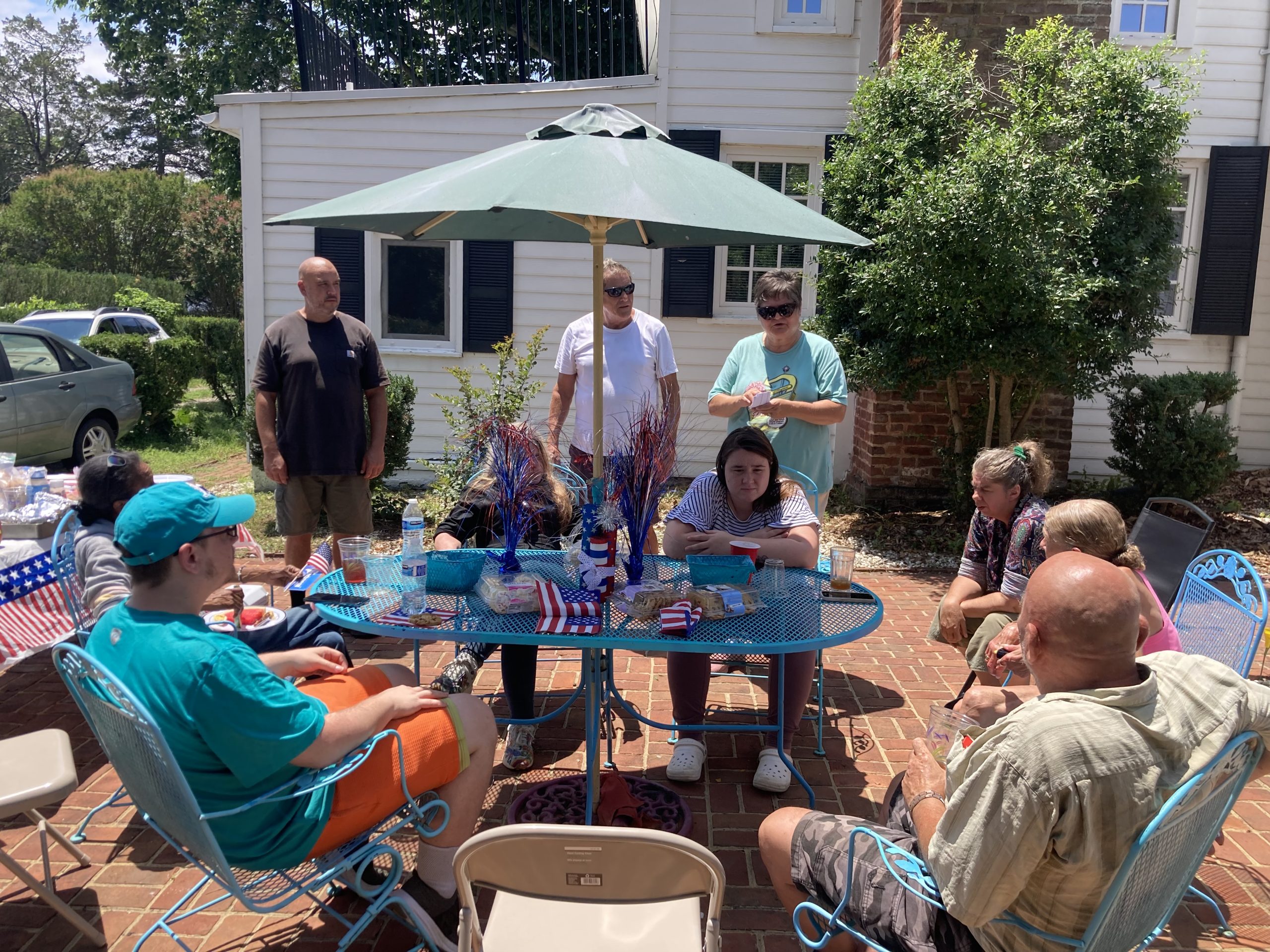
It took a couple of tries—and another breakup with the same partner—but after a combined total of more than two years living in campsites in and around Fredericksburg, Tony moved in with a roommate in an apartment at Berclair.
With a roof over his head, he was able to return to work and begin to resume some of the habits of what many of us consider ordinary life—shopping for groceries, doing regular laundry, mowing the lawn.
“It was so beautiful to have a paycheck and be working again,” he said. “I had trained myself to live the way I had to live [on the street], which was one day at a time. To get off the street and get a home … it has just been an amazing experience.”
Today, Tony is actively engaged in Micah’s income development program. He helps maintain and fix properties that will give other individuals the opportunity he had to escape the survival mode of life on the streets and start putting his life back together.
Hope for the future
Part of Tony’s work with Micah includes driving the Come and See bus tours that introduce community members to all of the different ways the organization holistically cares for unhoused individuals.
On that tour, he’s listened to Cotter’s speech about what Jeremiah Community will be so many times, he thinks he could give it himself. But every time he hears it, it gives him hope that Jeremiah will enable more people to make the move he has–from sleeping on the ground to beginning to dream again.
As he approaches his 65th birthday next year, Tony hopes he can continue to give back to Micah as a volunteer in retirement. He’s hoping to be able to save enough money to purchase a car. Goals like that are a world away from where he was a few years ago.
“They will help you get back on your feet,” he said of Micah. “It’s only through God that this is happening.”